A Panel of Passion & Purpose

To ground that big question in real-world practice, we invited three producers who are already redefining what grows—and thrives—here in California. Winemaker Matt Taylor joined us to share his work with Loire Valley varieties such as Chenin Blanc, Cabernet Franc, Pineau d’Aunis, and Romorantin, sourced from sites like Mammoth Rock and our own Angelo Vineyard, where he leans into techniques like controlled oxidation and whole‑cluster fermentations to build wines with texture, energy, and age‑worthy tension. Alongside him, Sam Bilbro brought a Northern Italian and Piedmontese lens, working with grapes like Nebbiolo, Timorasso, Erbaluce, and Arneis from vineyards including Las Cimas, Lost Hills Ranch, and Fox Hills, illustrating how these mountain‑born varieties can deliver lift, nuance, and food‑friendly structure in California’s evolving climate. Rounding out the conversation, Scott Schultz showcased his focus on French varieties such as Mondeuse, Trousseau Noir, Gamay, and historic Cabernet Pfeffer, drawing fruit from sites like Las Cimas and a multi‑AVA Trousseau blend that includes Siletto in San Benito and Luchsinger in Lake County, highlighting how thoughtful whole‑cluster use and gentle extraction can yield bright, savory, low‑alcohol reds with remarkable versatility on the table.
What makes these panelists true thought leaders is not just the varieties they champion, but the way they connect farming choices, cellar decisions, and market realities into a coherent vision for where California is headed. Collectively, they are planting and sourcing some of the rarest blocks of these grapes in the state, adapting their viticulture to new climates, and refining winemaking protocols—like native fermentations, oxidative handling, and whole‑cluster inclusion—not as novelties but as tools to better express site and variety. Just as importantly, they’re building programs that acknowledge what today’s sommeliers, buyers, and guests are asking for: lighter, lower‑alcohol profiles, discovery over familiarity, and wines whose stories are as compelling as what’s in the glass. By bringing these voices together, the panel underscored that this is no longer a fringe experiment—it’s a coordinated, multi‑region movement to reimagine California’s varietal identity in real time.
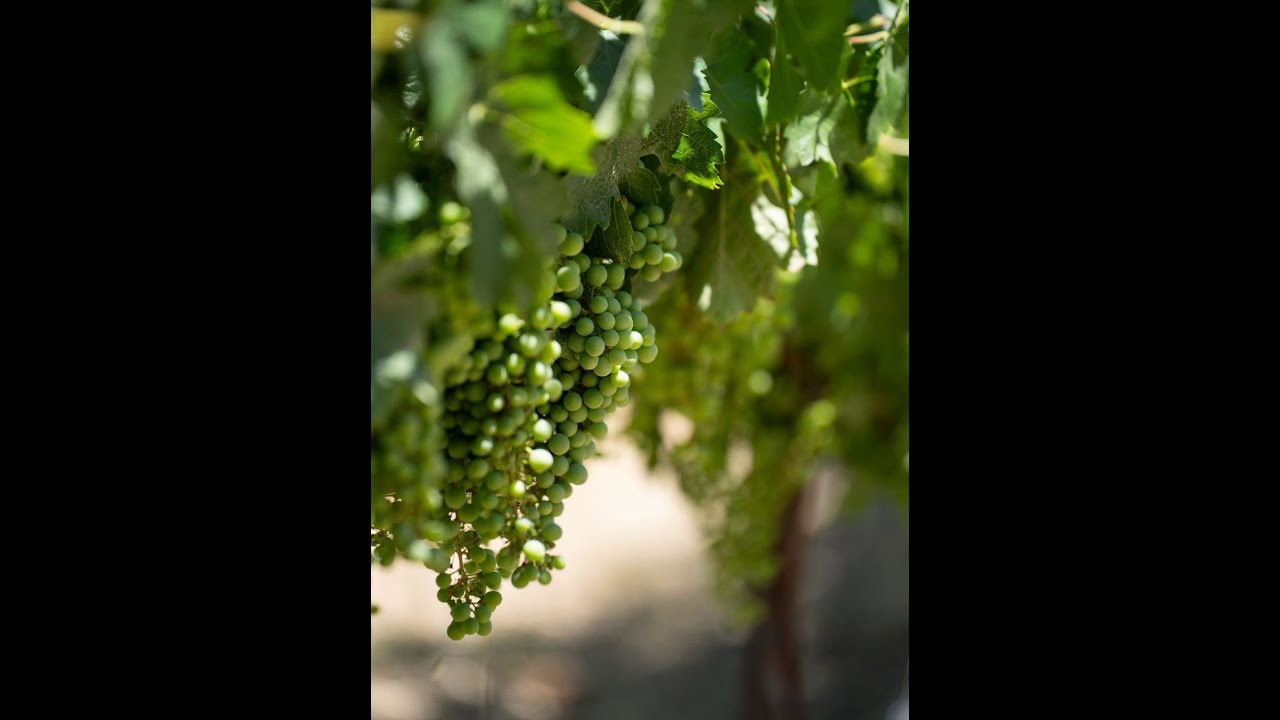
You can already see our answer taking root in the vineyard—especially at Angelo. As you drive in for a visit, the newly replanted blocks are hard to miss. These sites have been planted with the long view in mind, focusing on grapes that naturally bring freshness, vibrant acidity, and layered aromatics rather than sheer power. Angelo is becoming a model for the kind of expressive, lower‑alcohol, character-driven wines we believe California is uniquely positioned to grow.
This evolution in the vineyard also clarifies how our two brands work together. Mascarin Wines is our space for exploration and what’s next—small-lot, single‑vineyard bottlings that spotlight these rarer varieties and the specific places they come from. 32 Winds continues to carry forward more than 15 years of Sonoma County heritage, championing classic varieties in a refined, timeless style that many of you have followed since the beginning.
Under the Mascarin Family Wines umbrella, these complementary paths allow us to tell a broader story: honoring the traditions that built Sonoma’s reputation, while actively planting and crafting the wines that will define its future—with Angelo Vineyard at the forefront. As the new vines mature and these plantings start to appear in your glass, we’re excited to share more of this journey with you. Thank you for supporting our work and for being curious about where Mascarin—and California wine—is headed next.